

Adding a battery to an existing solar system in WA
A structured starting point for WA property owners and installers assessing retrofit compatibility, connection requirements, rebates and commissioning.
- Maintained by
- PSW Energy
- Status
- Published · reviewed
- For
- Customers, Installers
Maintained byPSW EnergyPublishedReviewed
Customers, Installers
Begin with the existing installation, not the battery catalogue. Since 1 May 2026, adding a battery in the South-West Interconnected System is assessed as an upgrade of the whole installation: the existing solar system is checked against current connection requirements alongside the new equipment, and the outcome can change the viable design.
Checks before a decision is made
Work through the identity, evidence and delivery chain. One credential, component or headline figure does not establish that the complete proposal is suitable.
- 01Existing system
Record what is already installed
Identify the solar inverter, panel array, switchboard condition, metering arrangement, network settings and any existing export limit before selecting a battery architecture.
- 02Usage
Size against the load profile
Compare daytime generation, evening consumption, seasonal demand and intended backup loads. Rebate ceilings do not establish the appropriate battery size for a property.
- 03Compatibility
Confirm the complete configuration
Check the battery, inverter, gateway, firmware and communications requirements as one system. Existing equipment may need reconfiguration or additional hardware.
- 04Connection
Identify the controlling network rules
Confirm whether Western Power or Horizon Power requirements apply, then check the retailer functionality settings and supported product lists relevant to the site. An addition is assessed as an upgrade of the whole installation under the requirements commencing 1 May 2026, so a design that keeps the existing inverter must be confirmed as a supported configuration before it is quoted.
- 05Programs
Separate technical fit from eligibility
Federal certificates, the WA scheme, vendor accreditation and virtual power plant participation have distinct requirements. Eligibility should be confirmed before a contract relies on an incentive.
- 06Evidence
Plan commissioning and records
Allow for testing, electrical certification, photographs, serial numbers, customer documents and registration steps before installation work begins.
Assess the existing system
Establish the condition, architecture and operating constraints of the existing solar installation before selecting battery equipment.
Adding Batteries to Existing WA Solar, Compliance Guide
WA guidance explains when existing solar components may remain, when repairs use original standards and when altered parts must meet current requirements.
Installer Bulletin: New Sizing Tool Could Help Cut Oversized Battery Quotes
A June 2026 product report described battery-sizing software alongside NETCC compliance activity for the January to March quarter.

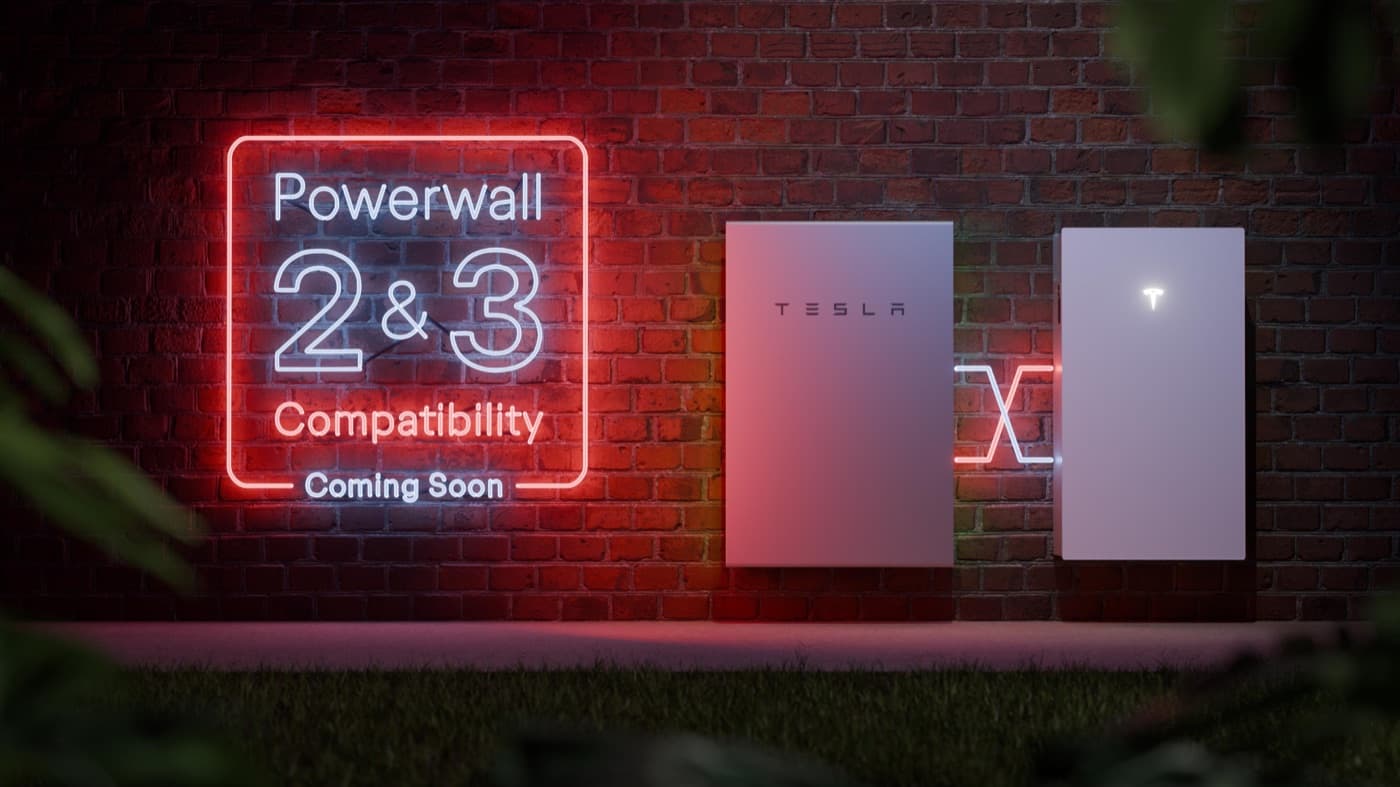
Powerwall 3 compatibility with existing Powerwall 2 systems
Tesla now supports eligible mixed Powerwall 2 and Powerwall 3 systems, subject to software, gateway, capacity and installer requirements.

Installer Bulletin: Powerwall 3 and Powerwall 2 Compatibility Moves to Official Firmware
Tesla confirmed in July 2026 that mixed Powerwall 2 and Powerwall 3 systems had moved from pilot firmware to an official release, with official firmware to become standard at commissioning from mid-August. That date has passed, and the parallel pilot arrangement described in the original notice has ended.
Check programs and connection settings
Review current program eligibility, installation-date settings and WA connection requirements before quoting or scheduling work.
Cheaper Home Batteries Program: 1 May 2026 changes
The expanded federal battery program now applies capacity tiers and installation-date certificate factors that should be checked before quoting.
WA Residential Battery Scheme guide for retailers and installers
A current operational reference for WA battery retailers and installers covering scheme eligibility, vendor approval, technical requirements and evidence.

WA solar and battery connection requirements from May 2026
The connection settings applying in WA since 1 May 2026: the 30 kVA inverter capacity cap, remote management, the 1.5 kW export fallback and the Region B inverter configuration.
The Battery Market Slowdown Is Partly a Reporting Lag
Battery registrations fell sharply after the 1 May certificate changes. Part of that fall is a reporting artefact, because installers have twelve months to create certificates and recent months are always incomplete when first published.
Verify safety and evidence
Confirm commissioning, testing and evidence obligations against current primary sources and the requirements applying to the site.

WA Battery Installation Safety and Compliance Checks
WA electrical licence holders must complete and document specific safety checks when commissioning battery systems with hybrid inverters.

Testing Grid-Connected Hybrid Inverters in WA
WA guidance identifies the neutral, earthing, protection and documentation checks required when hybrid inverters operate in backup mode.
Solar battery photo evidence rules from March 2026
The Clean Energy Regulator requires geotagged and time-stamped evidence of critical labelling for every eligible solar battery installation.
Related checks that usually follow
Separate federal certificates, WA rebates, loans and virtual power plant conditions before relying on an advertised battery discount.
Installer resourcesWA solar and battery compliance centreCurrent operational references for installers and retailers working across WA solar, battery storage and distributed energy connections.
Points requiring an explicit answer
Can a battery be added to an existing solar system?
Often, yes. The WA scheme recognises additions to existing solar, but the viable design depends on the inverter, network connection, supported equipment and virtual power plant requirements. Some sites require a gateway, reconfiguration or replacement equipment.
Does the existing solar equipment need to appear on the current approved product list?
The Clean Energy Regulator states that an existing solar PV system paired with a new eligible battery must comply with electrical safety requirements, but the existing PV equipment does not need to appear on the current Clean Energy Council approved list.
What battery capacities can qualify for federal certificates?
Current Clean Energy Regulator guidance sets a nominal capacity range of 5 to 100 kWh, with certificates applying to the first 50 kWh of usable capacity. Eligibility is assessed under the rules applying to the installation and claim.
Does adding a battery change the requirements applying to the existing solar?
Yes. Under the WA connection requirements commencing 1 May 2026, an addition brings the entire installation under assessment against current requirements, not just the new equipment. Depending on the existing inverter and configuration, that can mean reconfiguration, additional compliance equipment, or migrating the existing panels onto a new inverter rather than retaining the old one.
Should the battery be selected before reviewing consumption data?
No. Consumption timing, export, future loads and backup priorities should shape the design before a specific capacity or product is selected.
