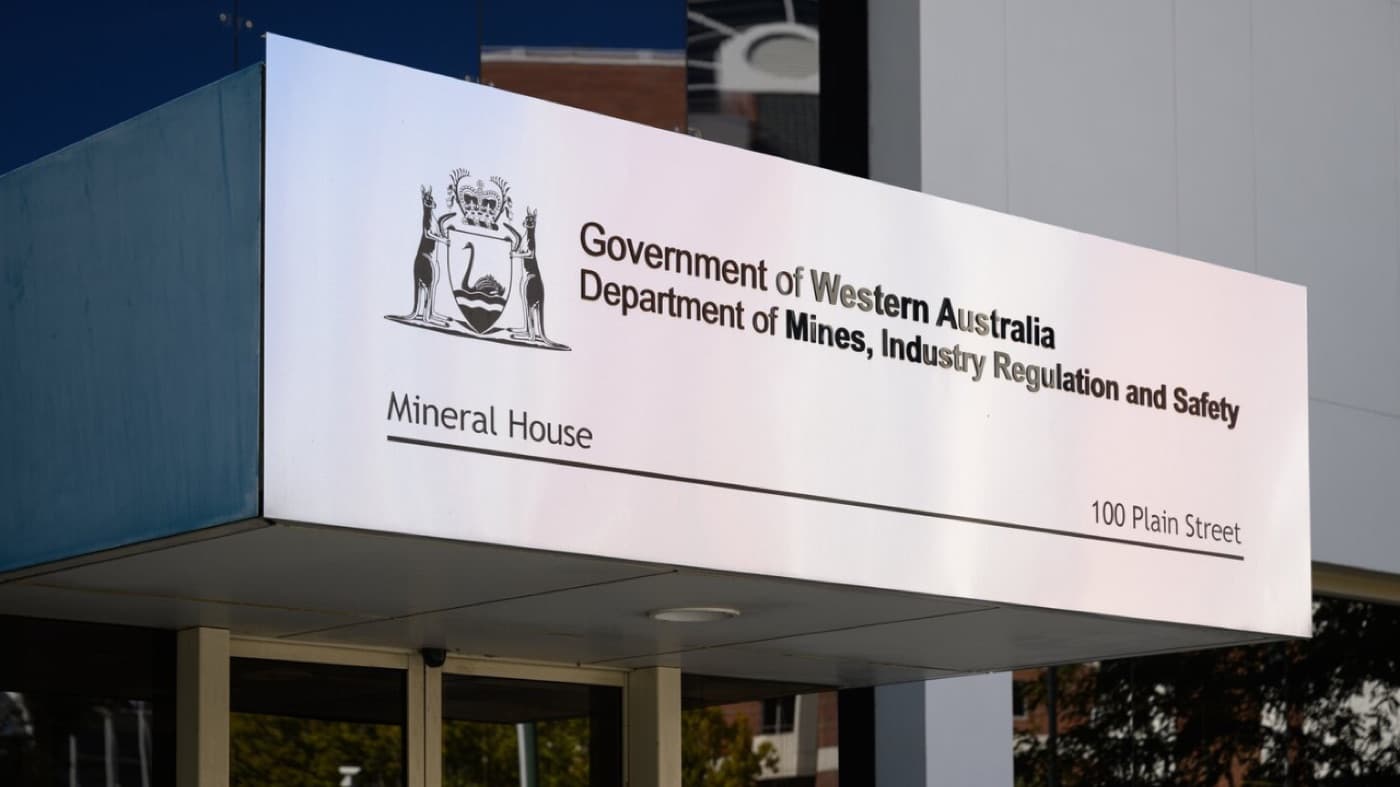
Energy Policy WA has opened consultation on a draft Code of Practice for customers who buy their electricity inside a single property network rather than from a retailer on the main grid. Feedback closes 25 September 2026.
The rules follow customers who never had a retailer to complain to
A single property network, or SPN, is a private electricity network serving several lots or tenancies behind one master meter. Apartment buildings, retirement villages, caravan and long-stay parks, shopping centres, office blocks, industrial estates, and university and health campuses all commonly run on one. The property buys electricity in bulk from a licensed retailer, or generates some of it on site, and the network operator on-sells it to each tenant through a sub-meter.
That arrangement has sat outside the protections that apply to a customer buying from Synergy or Horizon Power directly. An SPN operator has not been bound by a mandatory code of conduct, an SPN customer has had no access to the Energy and Water Ombudsman WA Scheme when a bill or a supply dispute goes nowhere, and the Economic Regulation Authority has not monitored the arrangement at all. The consultation now open is the document that closes that gap: a Code of Practice specifically for SPN services, made under the Alternative Electricity Services (AES) framework the state government legislated in 2024.
The term itself has changed. Earlier consultations on the same reform used "embedded network." The regulations now in force call it a single property network, and that is the name that will appear on the register.
Shared solar and battery supply is inside the framework, not outside it
The state's own guidance is explicit that solar panels or batteries may contribute to an SPN's electricity supply alongside what the property buys from a retailer. A development where a single rooftop system, or a battery paired with it, supplies multiple dwellings behind one connection point is the arrangement this Code is written for, not an edge case it overlooks. Any business installing or operating that kind of shared system for a developer, body corporate, or estate should read the draft Code before responding, because it is the document that will set what the operator has to disclose, how it has to bill, and what a resident can do when something goes wrong.
Registration lands in two waves, seven months apart
The AES framework already produced a Code of Practice for the other regulated service, On-site Power Supply (OPS), and OPS providers register with the Economic Regulation Authority and join the Ombudsman scheme from 1 February 2027, with the ERA running a three-month public interest test on each registration. SPN providers follow seven months later, from 1 July 2027. The consultation closing 25 September is the last point at which an operator, installer, or industry body can shape the SPN Code before that clock starts.
Sources
- Energy Policy WA, "Consultation on new protections for single property network customers is now open," email notice, 25 August 2026.
- Department of Energy and Economic Diversification / Energy Policy WA, AES Registration Framework, wa.gov.au.
- Energy Policy WA, "Understanding Embedded Networks in Western Australia," wa.gov.au.
- Energy Policy WA, "Consultation on the Alternative Electricity Services Code of Practice for OPS is now open," wa.gov.au.