
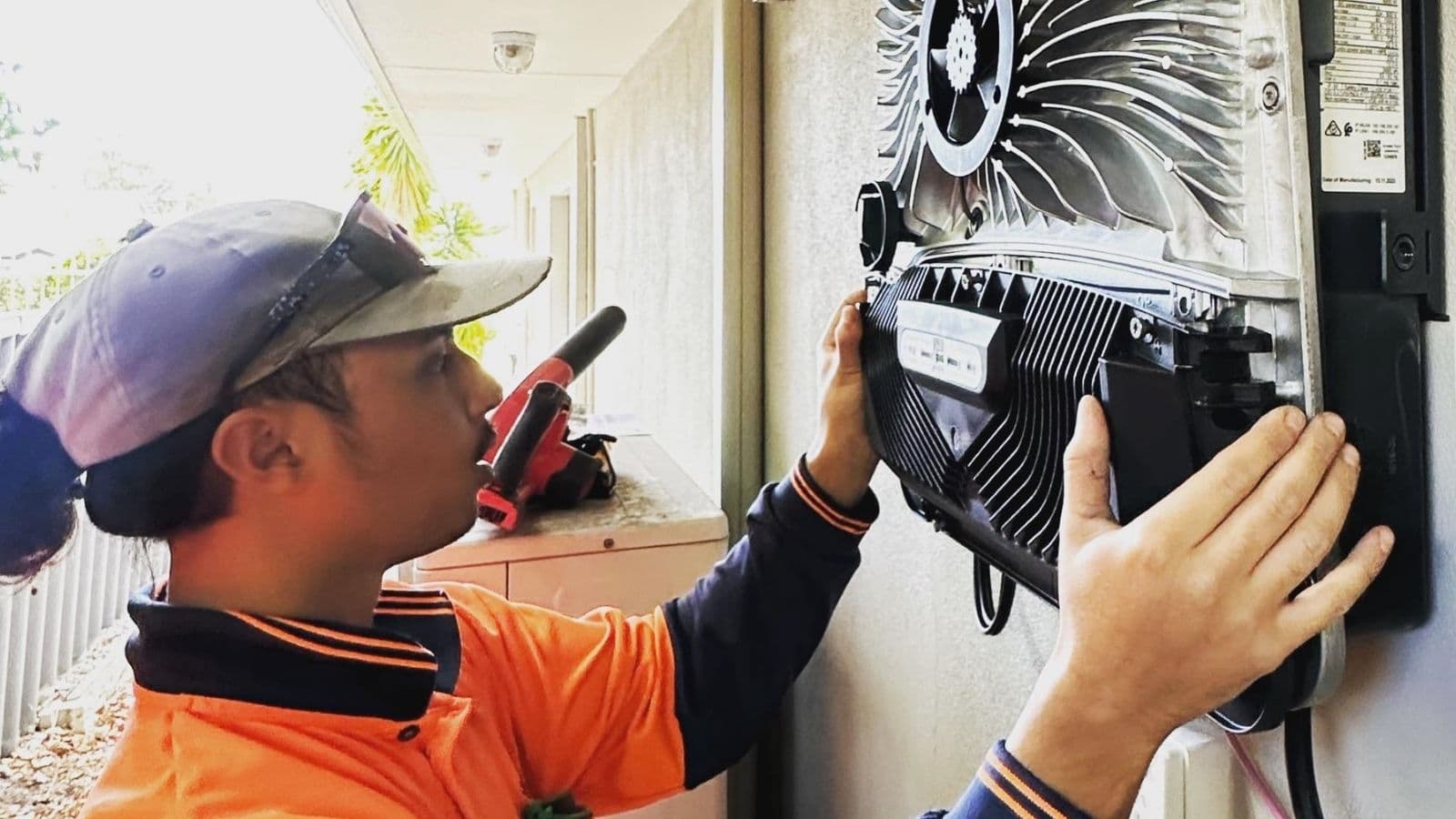
Western Australia's electrical safety regulator has secured a conviction against an electrical worker who directed two junior apprentices to carry out live testing without appropriate supervision. The case is a reminder that supervision obligations sit with the licensed worker personally, and that they are enforced whether or not anyone is seriously hurt.
Directing unsupervised live testing cost the worker $4,071
Building and Energy, the regulator within the Department of Local Government, Industry Regulation and Safety, prosecuted the worker over an incident at a Forrestdale site in March 2024.
The worker and two junior electrical apprentices under his supervision were carrying out electrical work when he directed the apprentices to conduct live tests on energised lighting circuits. He did not provide an appropriate level of supervision. The apprentices did not follow the required safety protocols, and one of them received an electric shock. He was not seriously injured.
The worker pleaded guilty to breaching Western Australia's electricity licensing regulations, which require effective supervision of electrical work. On 5 June 2026, Magistrate Gavin MacLean fined him $3,500 and ordered him to pay $571 in costs, a total of $4,071.
The magistrate acknowledged the early guilty plea, remorse and cooperation, but noted the dangerous nature of the electrical industry, stating that safety regimes are in place for a reason.
Building and Energy's deputy director put the regulator's position more directly: in this instance, the apprentices should not have been working on a live installation at all, let alone without any appropriate supervision.
The duty is personal and prosecuted without serious injury
Two features of this case are worth noting.
The obligation is personal, not corporate. The penalty fell on the supervising worker rather than only on an employing entity. A licensed electrical worker who directs an apprentice carries the supervision duty in their own right, and a direction given on site is the conduct the regulations test.
The absence of serious injury did not avoid the prosecution. The apprentice recovered without serious injury, and the matter was still prosecuted two years after the incident. The offence is the failure to supervise, not the severity of the outcome.
The regulator's framing also separates two distinct failures. The first was that live work was directed at all. The second was that it proceeded without supervision. Correcting only the second would not have made the job compliant.
Live testing needs justification, supervision needs presence
PSW Energy and Perth Solar Warehouse engage apprentices and subcontracted electrical workers across residential and commercial installations, so the supervision duty described here applies directly to how jobs are staffed and run.
Three practical points follow:
- Live testing is not a default method. Where a task can be completed on an isolated and proven-dead installation, that is the expected approach. A decision to work live needs to be a deliberate, justified one, not a convenience.
- Supervision means presence and verification, not availability. The regulator's concern was the level of supervision provided at the point the work was carried out, not whether a supervisor was contactable or somewhere on site.
- Apprentice capability is not the test. The apprentices in this case did not follow safety protocols, and the responsibility still rested with the worker who directed them. Delegating a task does not delegate the duty.
Building and Energy publishes Safe working guidelines for electrical workers and apprentices (opens in a new tab), issued in January 2025 and updated in February 2025, covering safe work practices, supervision of licensed electrical workers at differing skill levels, and the respective responsibilities of employers and apprentices. It is the current reference point for anyone supervising apprentice labour in this state.
Sources: ECA WA, "Fine for electrical worker after unsupervised apprentice receives shock" (opens in a new tab); Electrical Connection, "Electrical worker fined after apprentice receives shock" (opens in a new tab).


