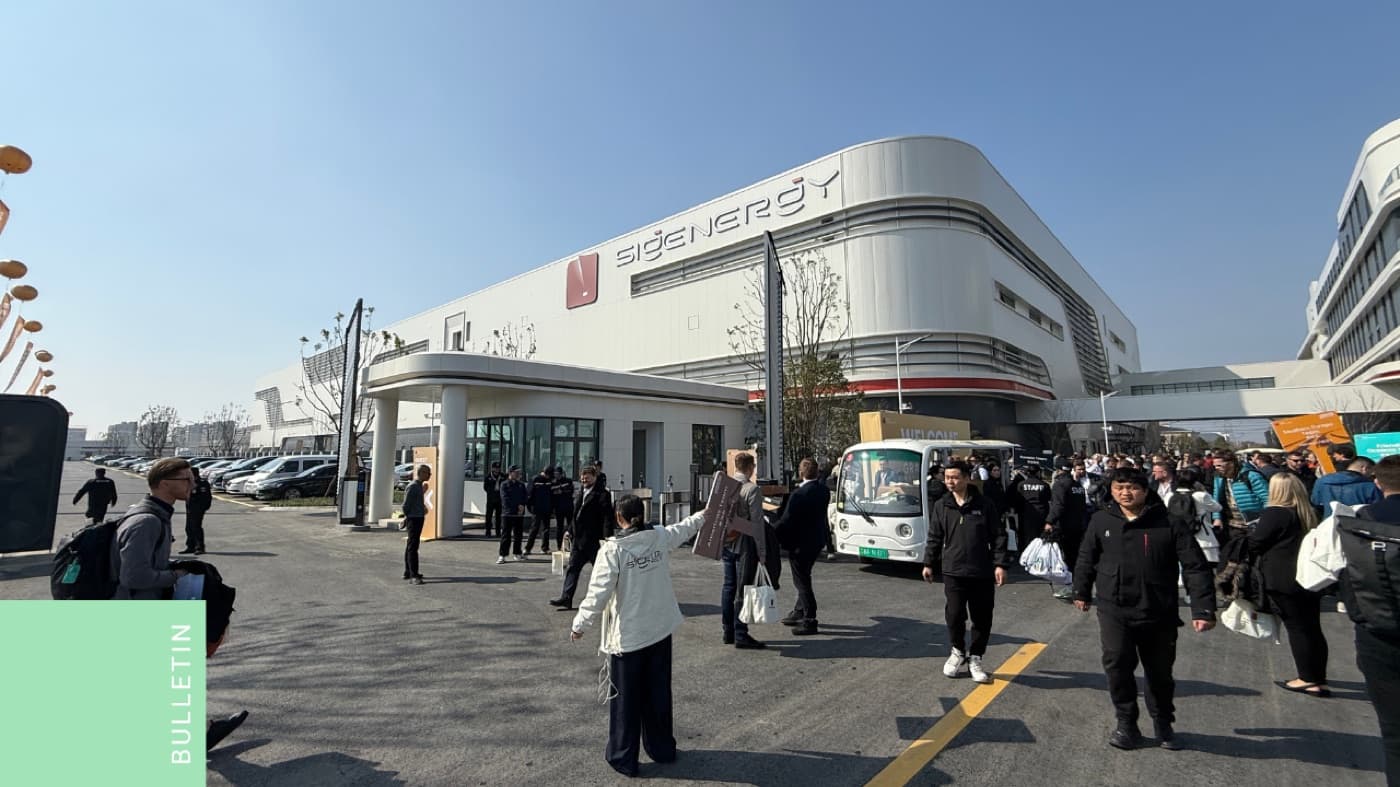
Three things from November carry directly into how jobs are run: the controlled procedure for powered drilling, a Sigenergy product change notice that has since become a recall, and the falls rescue requirements that apply before anyone goes up.
Powered drilling runs off the controlled procedure, not familiarity
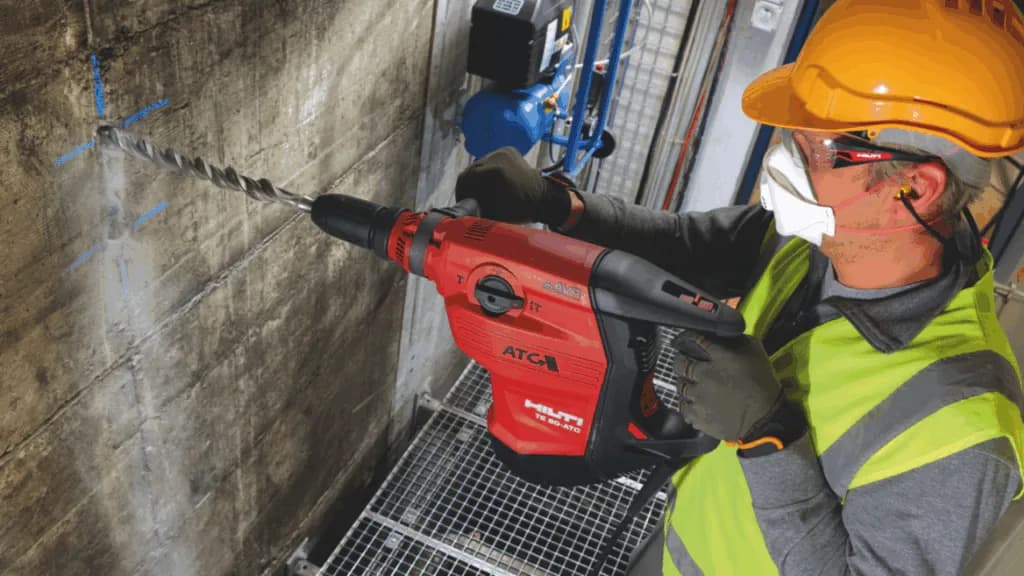
Before powered drilling work begins, the current controlled hammer-drill procedure, task SWMS, risk assessment and manufacturer instructions all need to be in place. The authenticated Staff Hub holds the orientation record. The public HSEQ policy sets out the governing commitments.
Controls depend on the material, the tool, the location, and who else is nearby, which means they are decided per task rather than carried over from the last one.
Stop and escalate if any of these is uncertain: the material, the location of services behind it, the dust-control method, the condition of the equipment, or the personal protective equipment required.
The Sigenergy change notice became a recall
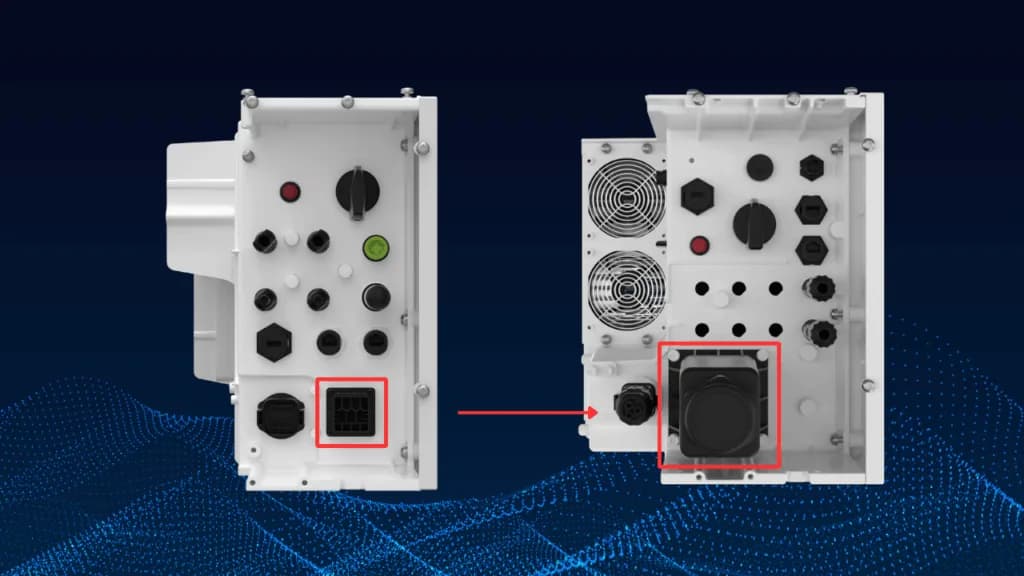
Sigenergy issued a product change notice for the SigenStor EC AC Output Interface in October 2025.
Since then, certain Sigenergy 8, 10 and 12 kW single-phase Energy Controllers have become subject to an Australian product recall. Their AC plugs may overheat and create a fire risk.
Sales and design staff should work from the revised datasheet and installation guidance on the McKercher Corporation website and the PSW Energy resource portal (opens in a new tab).
A rescue plan has to exist before anyone goes up
The current controlled falls emergency and rescue requirements need to be obtained before work at height begins. The site emergency plan, task documentation, response method, equipment, communication arrangements and assigned competencies all have to match the location and the work in front of you.
A rescue plan written for a different site is not a rescue plan for this one.
The Staff Hub provides the orientation record. It does not replace the controlled plan, the training, or competent supervision. The HSEQ policy sets out the governing commitments.

Until next month
Questions on any of the above go to your department lead or the HSEQ team.
This bulletin is produced for internal distribution. External readers are welcome to review the published content referenced within.