Skip to content
Staff
Product and installation

Sigenergy SigenStor in WA

System configuration, installation requirements and owner support for Sigenergy SigenStor in Western Australia.

Maintained by
PSW Energy
Status
Published · reviewed
For
Customers, Installers
Discuss a Sigenergy system
Maintained byPSW EnergyPublishedReviewed
For

Customers, Installers

Discuss a Sigenergy system
01 / Planning a SigenStor

Specify the system, not just the battery

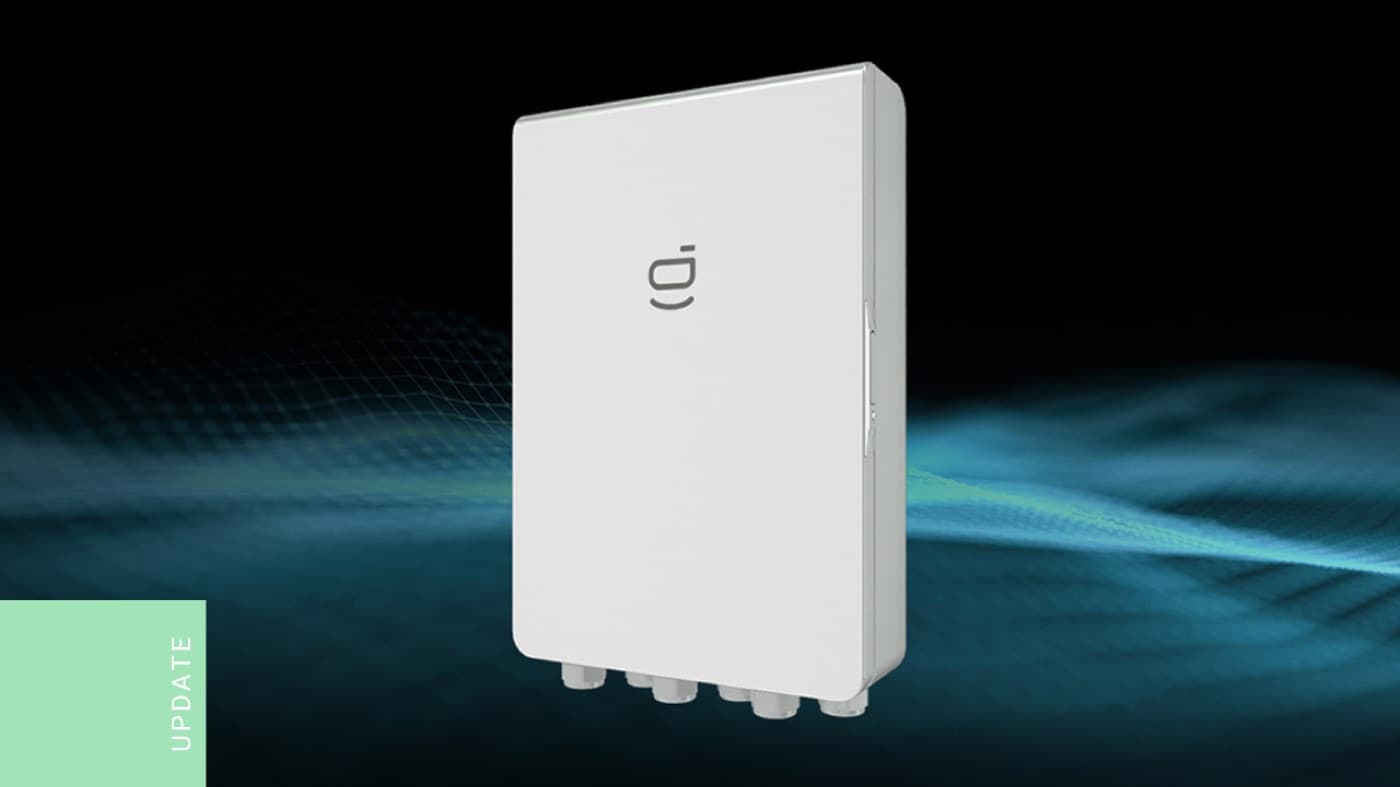
SigenStor combines an energy controller with modular battery storage. The controller, battery modules and gateway each have a different job. A proposal should identify the exact equipment, the circuits intended for backup and how the system connects to the property's existing solar and electricity supply.

Site and system configuration

  1. Record the equipment already installed

    Start with the solar inverter model, panel array, supply phases and switchboard. Establish whether the proposed design retains the existing inverter or replaces it. Leave room for safe access and future service.

  2. Identify every part of the stack

    List the energy controller and battery module models, module count and usable capacity. Assess output power separately from stored energy. Check any proposed expansion against current Sigenergy compatibility documents rather than assuming every module combination is supported.

Backup and WA connection

  1. Name the circuits that stay powered

    Specify the gateway and backup circuit arrangement. Check simultaneous demand, motor starting and phase requirements. More stored energy can extend backup duration; it does not by itself establish that the system can supply every appliance together.

  2. Confirm the property's WA connection pathway

    Check the network approval, export settings and retailer requirements for the complete installation. Where an incentive or virtual power plant is included, verify the exact supported equipment and participation conditions separately. A product brochure does not establish site approval.

Installation and owner handover

  1. Use the instructions for the supplied models

    Gateway clearances, power sensors and wiring arrangements are model-specific. The installer should use the current manuals and applicable product change notices, check recall status where relevant and retain the commissioning evidence with the job.

  2. Complete monitoring and support handover

    Confirm owner access to mySigen and demonstrate the agreed operating settings. Retain serial numbers, equipment details, commissioning records and the applicable warranty documents. Record who to contact for installation service and manufacturer support.

02 / Sigenergy documentation

Check the exact equipment combination

Use Australian product documents for the proposed controller, battery modules and gateway. Keep model-specific instructions with the installation records.

View Sigenergy manuals and datasheetsSelect the Australian documents for the exact controller, battery and gateway. Check the document revision before relying on saved product information. (opens in a new tab)
03 / Common questions

Capacity, backup and compatibility

Is every SigenStor the same size?

No. SigenStor is a modular system. Capacity depends on the battery modules selected, while output depends on the controller and complete configuration. Use the Australian datasheets for the exact proposal, including usable capacity rather than the product family name alone.

Does a SigenStor battery provide whole-home backup?

Backup depends on the gateway, circuit arrangement and available system power. The proposal should identify which circuits and phases are supported, and the loads that may need to remain off during an outage. Battery capacity alone is not a whole-home backup specification.

Can existing solar remain in place?

The existing inverter, supply phases and proposed connection need assessment. Confirm the supported arrangement in the current installation documentation, including how existing generation behaves during an outage. Retaining solar equipment and retaining its operation in backup are separate checks.

Does EV charging mean a vehicle can power the home?

No. Sigenergy qualifies bidirectional functionality by vehicle capability and future support announcements. Charging support does not establish vehicle-to-home or vehicle-to-grid approval. Confirm the exact vehicle, equipment, software, warranty and Australian connection requirements before relying on either function.

04 / Already own a SigenStor?

Monitoring, service and recall checks

Keep the equipment details and service records available. The Australian recall concerns certain 8/10/12kW single-phase Energy Controllers with quick-connect AC plugs, not every SigenStor system. Use the official recall and Sigenergy owner references below to check the unit and arrange the required remedy with the installer or manufacturer. Do not open or modify electrical equipment.

Planning work or seeking owner support?

Contact PSW Energy or Perth Solar Warehouse with the site address, existing equipment and required backup loads. For an installed system, include its model, serial number and any app notification.

Discuss a Sigenergy system
05 / Further reading

Sigenergy guidance and group records

Safety and product notices come first. The partnership and event records document the group's history, not current product approvals or offers.

Safety and product notices

Group relationship and events

06 / Related guides

Complete the wider battery assessment